I mastered Julia Child's beef bourguignon and it was the most rewarding meal I've ever made
A Journey Through Julia Child’s Beef Bourguignon
The first time I made Julia Child’s Beef (Boeuf) Bourguignon, it felt less like cooking dinner and more like crossing a threshold. This isn't a recipe you stumble into on a weeknight. It requires time, attention, and a willingness to surrender your afternoon to the slow alchemy of browning, braising, and waiting.
I'll admit I approached the dish with a mix of reverence and nerves. As I prepped, I could almost hear Julia coaching me through, advocating for the transformative power of a good red wine and a slow simmer. I moved cautiously, checking and re-checking every sear and deglaze, desperate to capture that elusive, velvet-dark magic she promised.
Beef Bourguignon is often described as a special-occasion dish, but I would say it's a lesson in slow-motion alchemy, where complexity eventually gives way to a richness so profound it feels less like a meal and more like a hug for the soul.
The ritual is what drew me in: the careful searing of beef until bronzed, the aroma of onions and mushrooms braising in a pan, and the moment the wine is added, staining everything a deep garnet. The kitchen fills with a richness that feels both celebratory and reassuring. By the time the dish emerges from the oven, hours later, the stew is no longer a collection of ingredients but something unified and rich, the meat yielding easily and the sauce thick, glossy, and fragrant.
What began for me, many years ago, as a challenge has become a yearly tradition in my kitchen, a marker of the seasons and a way of honoring the kind of cooking that rewards patience. I may only make it once a year, but every time, it earns its place at the table.
Understanding what makes Beef Bourguignon special starts with knowing its roots and why Julia’s version continues to captivate home cooks. I’ll start there and take you step-by-step through the recipe so you can see the magic unfold—and hopefully inspire you to embark on your own Julia cooking adventure in your kitchen.
What Is Beef Bourguignon?
Long before it was a centerpiece for dinner parties, Beef Bourguignon was a humble peasant stew born from necessity in the Burgundy countryside. It was a clever way to turn tough, local beef into something tender by bathing it in the region’s abundant red wine. While legendary chefs eventually dressed it up for French fine dining, it was Julia Child who brought it back to the home kitchen.
Julia took a rustic, practical dish and refined it into a lesson in patience. By insisting on specific (some may call them fussy) details, like drying every cube of beef to ensure a perfect sear or boiling the smoky lardons (thick-cut bacon), she turned a simple dish into an experience.
What Sets Julia Child's Beef Bourguignon Apart From Other Recipes?
What sets Julia Child’s version apart, and what made me want to try it myself, is her attention to detail at every stage of cooking. Rather than treating the stew as a single, throw-it-all-in dish, she breaks it into careful steps, allowing each ingredient to shine.
Since the publication of Mastering the Art of French Cooking in 1961, this recipe has become a touchstone for home cooks, often cited as a classic example of French technique made approachable for American kitchens. Here are some of the reasons why.
The Drying Rule
Julia insists that each piece of beef be patted completely dry before browning. Dry meat sears; damp meat steams. That extra step creates the deep, savory foundation the dish is known for. I noticed that taking the time to do this really transforms the flavor of the finished stew.
Separate the Veggies
Instead of letting all of the vegetables soften in the stew, Julia braises the pearl onions in beef broth and sautés the mushrooms in butter separately, before adding them to the meat at the very end. The result is a finished dish with distinct textures and brighter flavors.
Blanch the Lardons
Julia’s secret to a balanced sauce is blanching the bacon (or lardons) in water before frying, which strips away excess salt and heavy smoke. This ensures the smoky cure of the pork doesn’t overwhelm the delicate nuances of the wine, leaving you with a pure, sophisticated flavor.
The Best Cut of Beef To Use for Beef Bourguignon
In Mastering the Art of French Cooking, Julia Child champions a kind of culinary honesty. She doesn’t ask for pricey, tender steaks, but rather for the humble, "lean stewing beef" that requires time and patience to transform into a rich, tender stew.
While she calls the meat "lean," she is specifically referring to cuts like chuck, rump, or top round that don’t have much surface fat but are rich in the connective tissue necessary for a long braise. As these tough cuts simmer for hours, the collagen breaks down, transforming the wine into a velvet-like sauce and the meat into something fork-tender.
I’ve found that chuck remains the gold standard, as it retains its shape while absorbing every drop of the Burgundy, whereas more expensive, tender steaks would simply dry out and lack the character this dish demands.
What To Serve With Beef Bourguignon
While this stew is so rich and hearty that you can easily serve it straight from the pot with nothing more than a crusty baguette, it reaches new heights when paired with the right sides. I’ve found pillowy mashed potatoes are the gold standard for soaking up the velvety sauce. For a vegetable, Julia famously recommends green peas, and for good reason: their bright, sweet pop of color and freshness cuts right through the savory intensity of the braise, providing a necessary lift to an otherwise heavy dish.
The Best Wine To Drink With Beef Bourguignon
For the wine, Julia recommends using a young, full-bodied red. Traditionally, this is a red Burgundy made from Pinot Noir, which has enough acidity and structure to stand up to the long cooking process while adding depth and richness to the stew. Other dry reds with similar body and flavor can also work well. I’ve found that a Côtes du Rhône works beautifully, offering both richness and approachability at a reasonable price.
Choosing a wine you enjoy drinking on its own is key. The flavors concentrate as the stew simmers, so a wine you wouldn’t drink could easily overpower the finished dish.
Ingredients Needed for Julia Child's Beef Bourguignon
You can find the full recipe in Mastering the Art of French Cooking: Volume 1 and in a few places online, but I’ll take you through the shopping list and the method here so you can see how everything comes together.
First and foremost, don’t let the length of the ingredient list intimidate you. Most of these are simple pantry staples, like flour, herbs, and butter. While there are a few separate components, each ingredient plays a specific role in building the legendary layers of flavor Julia is famous for, so don’t skimp.
- Thick-cut bacon, rind removed
- Olive oil
- Stewing beef (chuck roast is ideal)
- Carrot
- Onion
- Salt and pepper
- Flour
- Full-bodied red wine: Burgundy, Beaujolais, Cotes du Rhone, or Chianti
- Beef stock
- Tomato paste
- Garlic
- Fresh thyme
- Bay leaf
For the Braised Onions
- Peeled pearl onions
- Butter
- Oil
- Beef stock
- Salt and pepper
- Herb bouquet: parsley sprigs, bay leaf, and thyme tied in cheesecloth
For the Sautéed Mushrooms:
- Fresh mushrooms
- Butter
- Oil
For Garnish:
- Fresh parsley sprigs
How To Make Julia Child's Beef Bourguignon
The journey begins with 6 ounces of thick bacon, rind removed and cut into lardons, or strips. 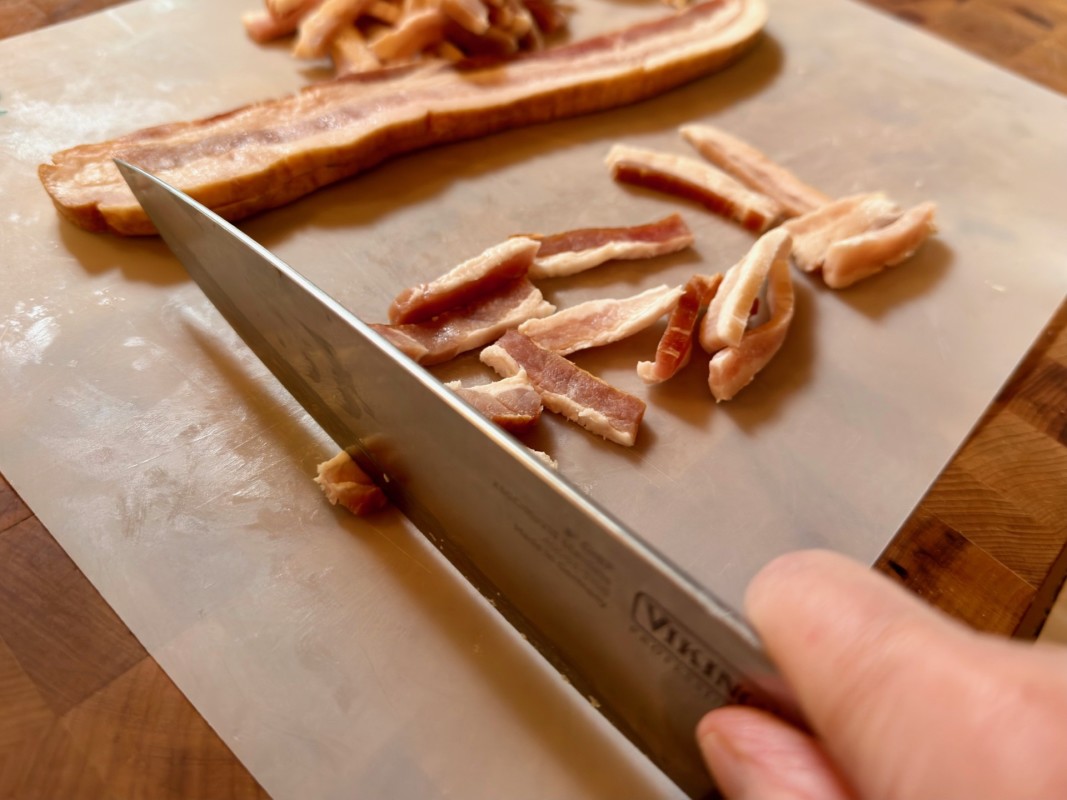
Simmer the bacon and rind in 4 cups of water for 10 minutes, then drain and dry. 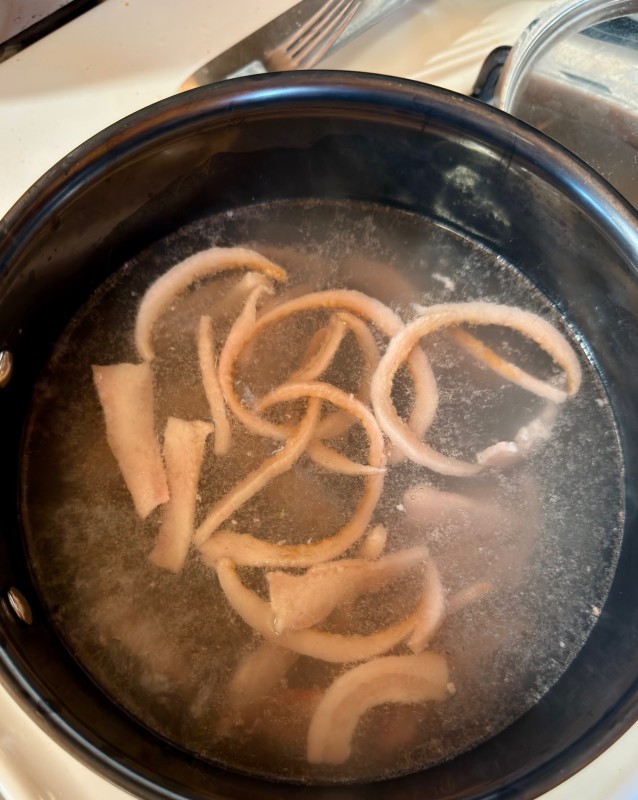
In a heavy-bottomed Dutch oven, sauté the bacon in olive oil over moderate heat until lightly browned, then remove to a side dish. 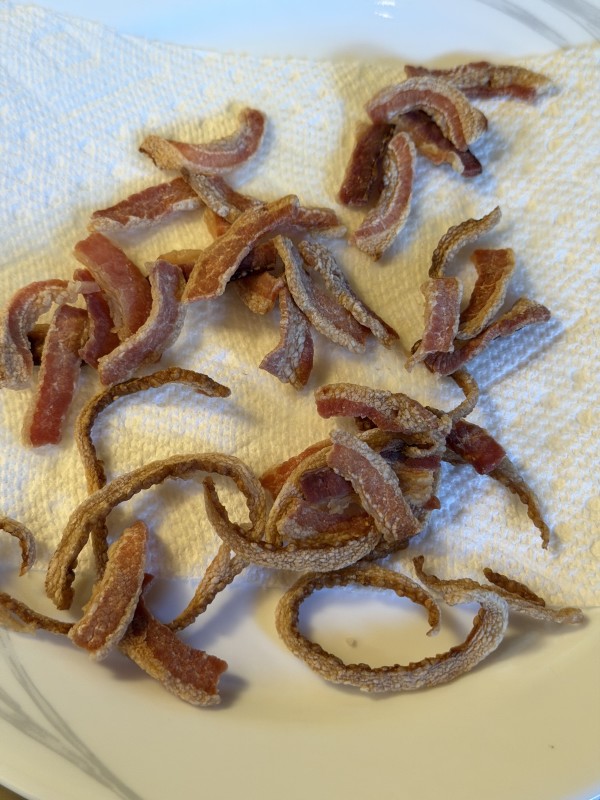
Cut the beef into 2-inch cubes and dry thoroughly with paper towels (this is the secret to a proper sear). 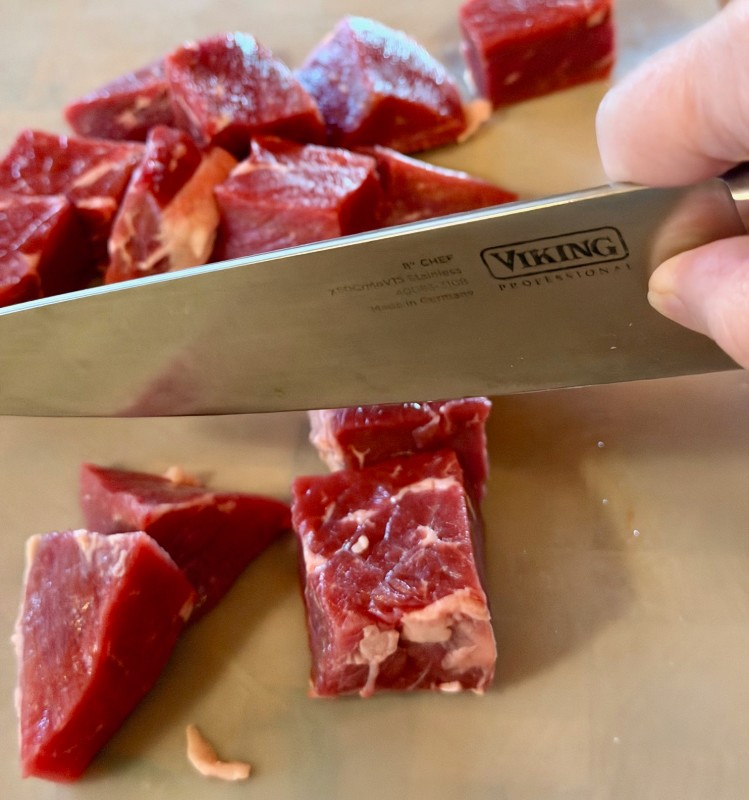
In the hot bacon fat, brown the beef a few pieces at a time until deeply colored on all sides. 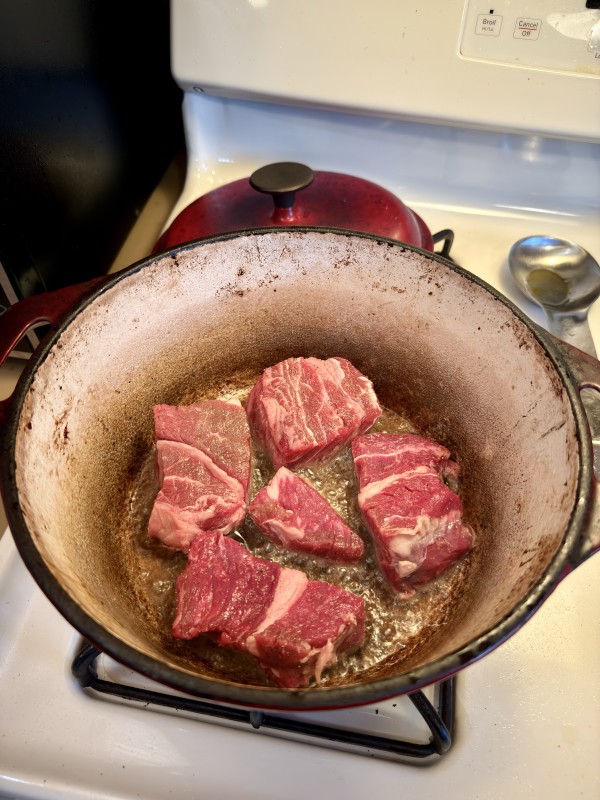
Once the beef is browned, set it aside with the bacon, and sauté the carrot and onion in the fat. 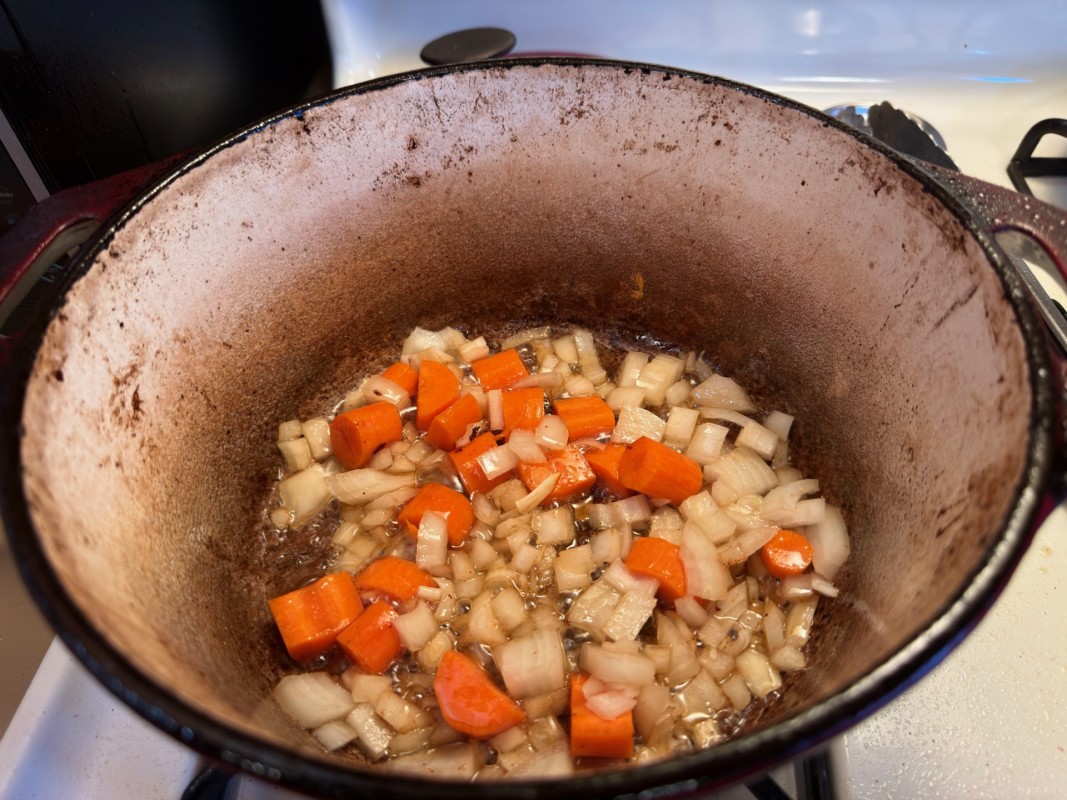
Pour out the excess fat and return the beef and bacon to the pot with the carrot and onion, tossing with salt, pepper, and flour. Set the uncovered pot in a preheated 450°F oven for 4 minutes, toss again, and bake for 4 more minutes to create a "crust" on the meat. 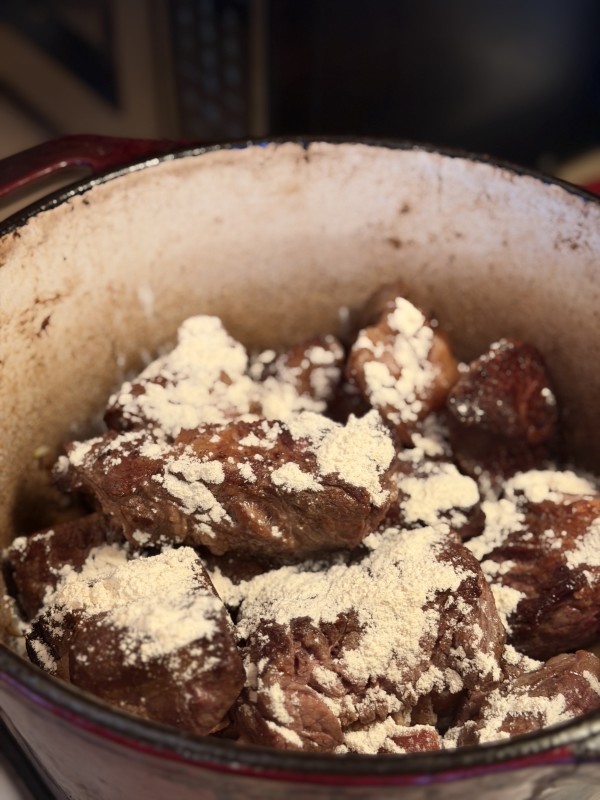
The Braise: Wine, Herbs and Time
Lower the oven temperature to 325°F. Stir in 3 cups of wine. 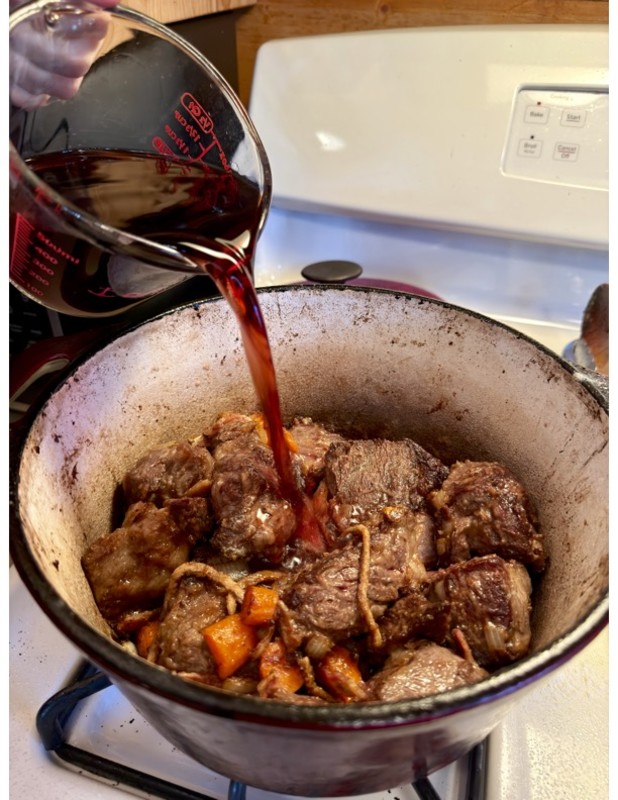
Add enough beef stock to just cover the meat. 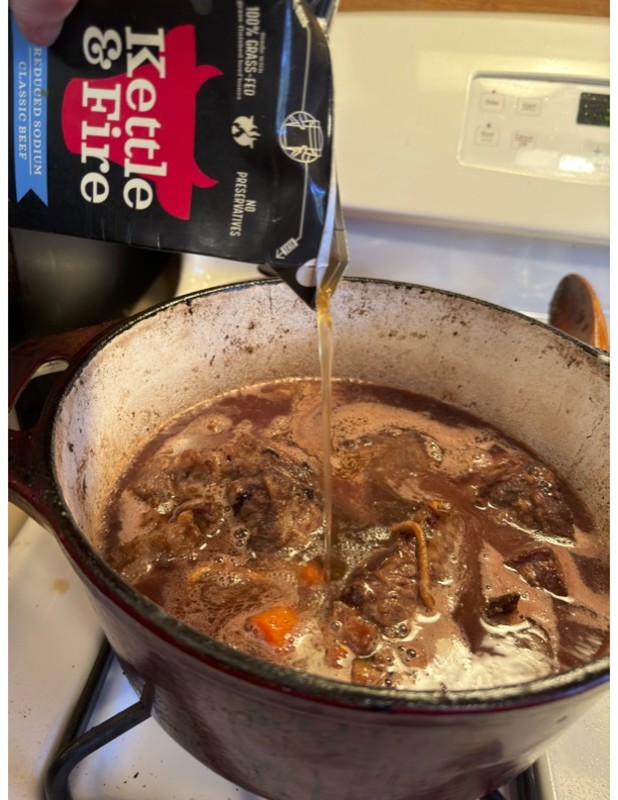
Add the tomato paste, garlic, thyme, and a crumbled bay leaf to the pot. Bring to a simmer on the stove-top, then cover and place in the lower third of the oven. Regulate the heat so the liquid simmers very slowly for 3 to 4 hours, or until the meat is fork-tender. 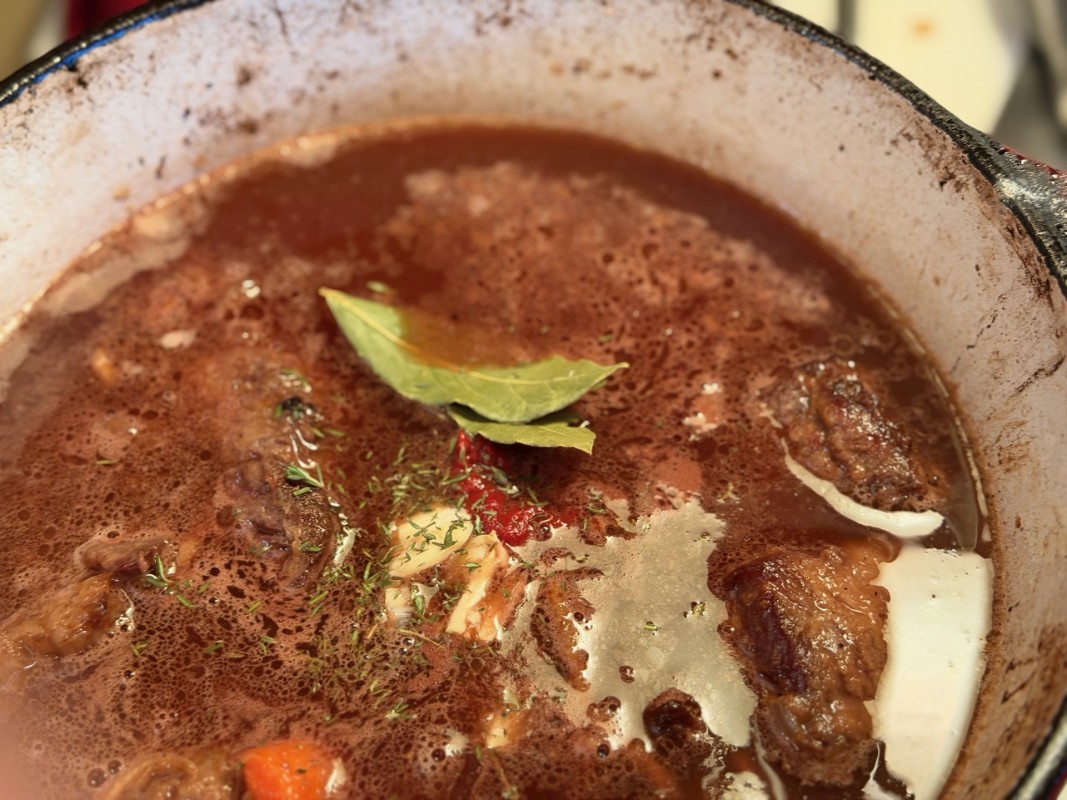
The Onions and Mushrooms
While the beef is cooking, prepare the two essential garnishes. For the pearl onions, heat butter and oil in a skillet until bubbling. Add the pearl onions and sauté for 10 minutes until evenly browned. 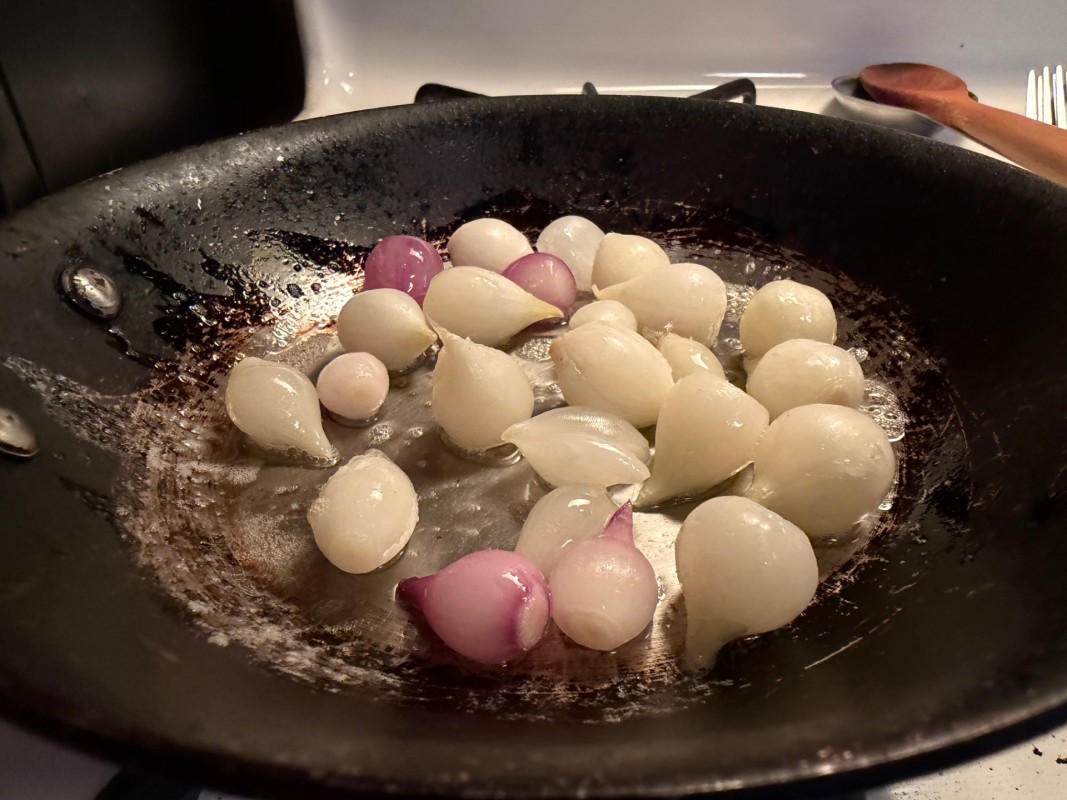
Add some beef stock, salt, and pepper to the onions. Cover and simmer for 40 to 50 minutes until the liquid has evaporated and the onions are tender but still hold their shape. 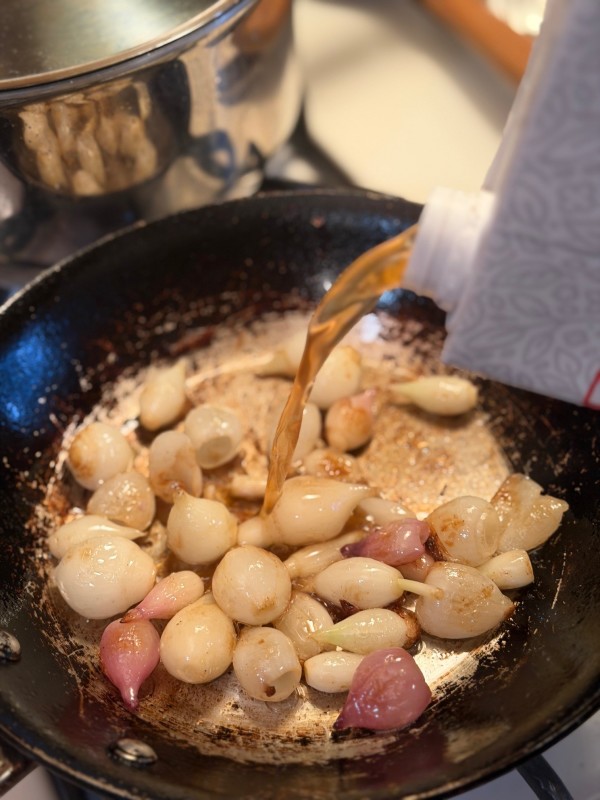
For the mushrooms, sauté the mushrooms in butter and oil over high heat for about 5 minutes, shaking the pan until they are lightly browned. 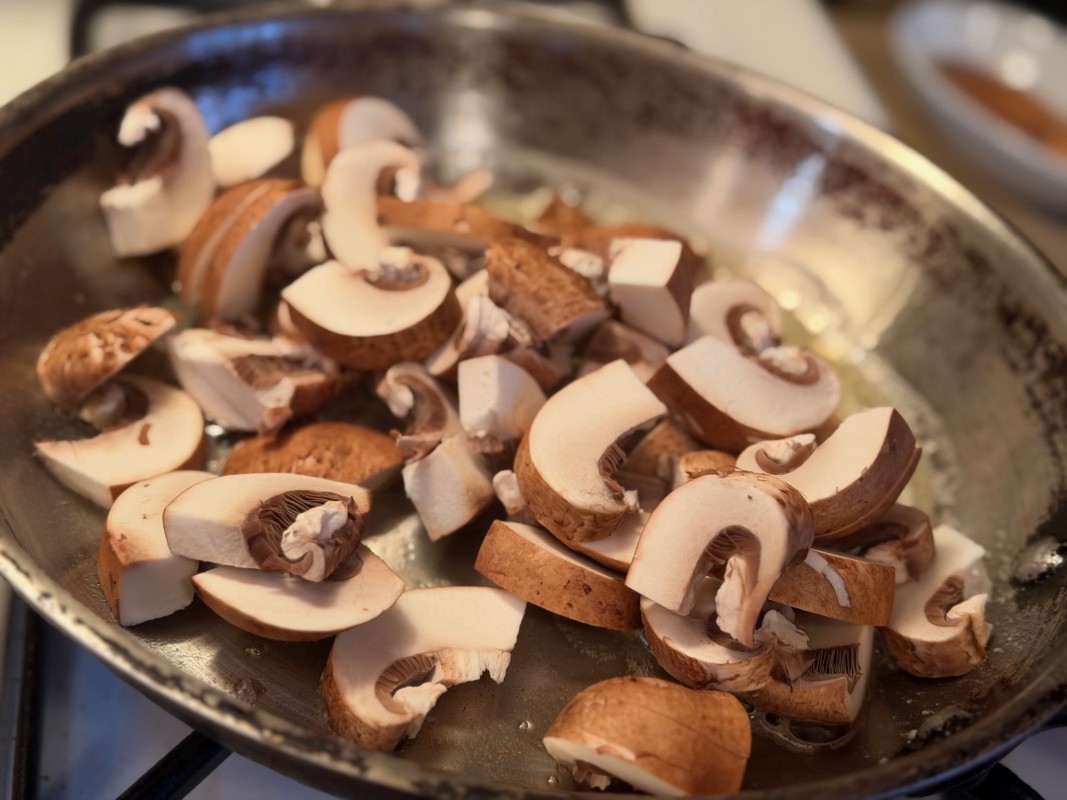
The Grand Finale
When the meat is tender, pour the contents of the pot through a sieve, reserving the liquid in another saucepan. (Remember to remove your bay leaf and sprigs of thyme.) 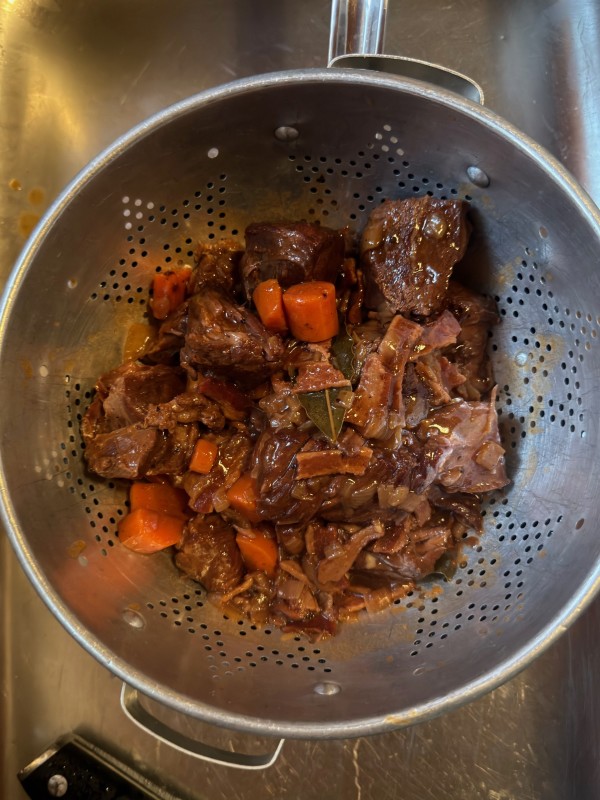
Wash out the Dutch oven and return the beef and bacon mixture to it, distributing the cooked onions and mushrooms over the top. 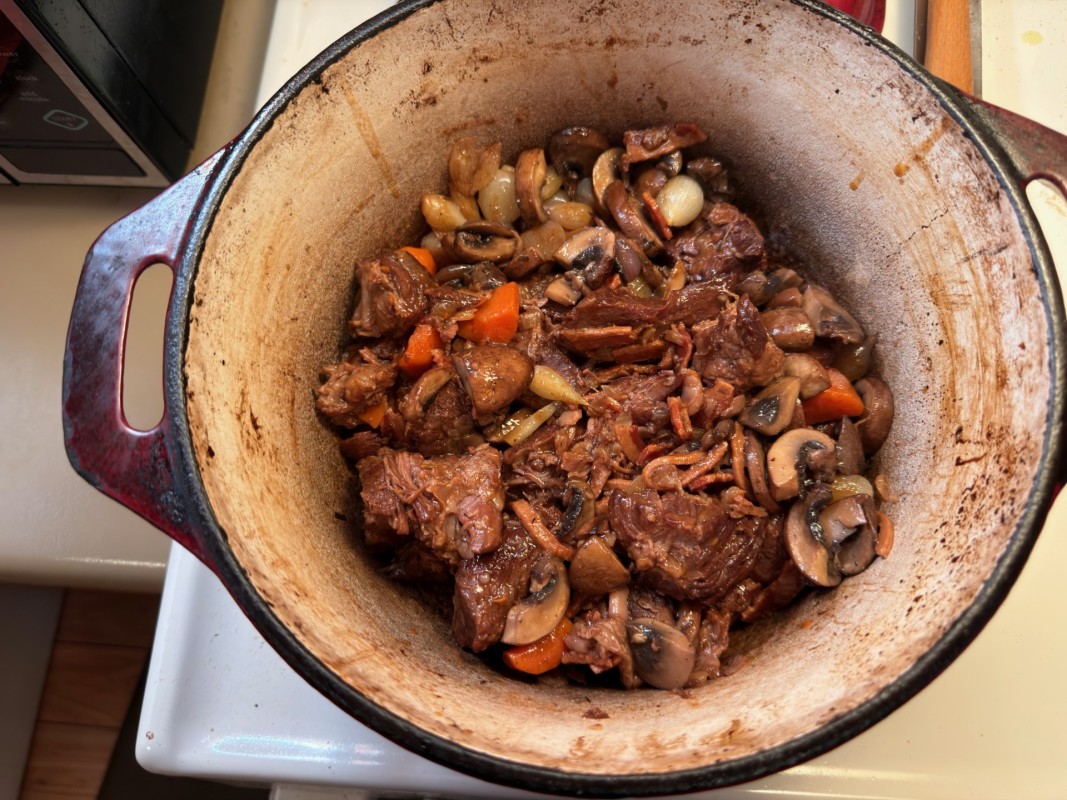
Skim the fat off the reserved sauce and simmer it for a minute or two, skimming again until you have about 2.5 cups of sauce thick enough to coat a spoon. If too thin, boil it down longer; if too thick, stir in a few tablespoons of stock. Once it has reached the desired thickness, pour the sauce over the meat and vegetables in the pot. 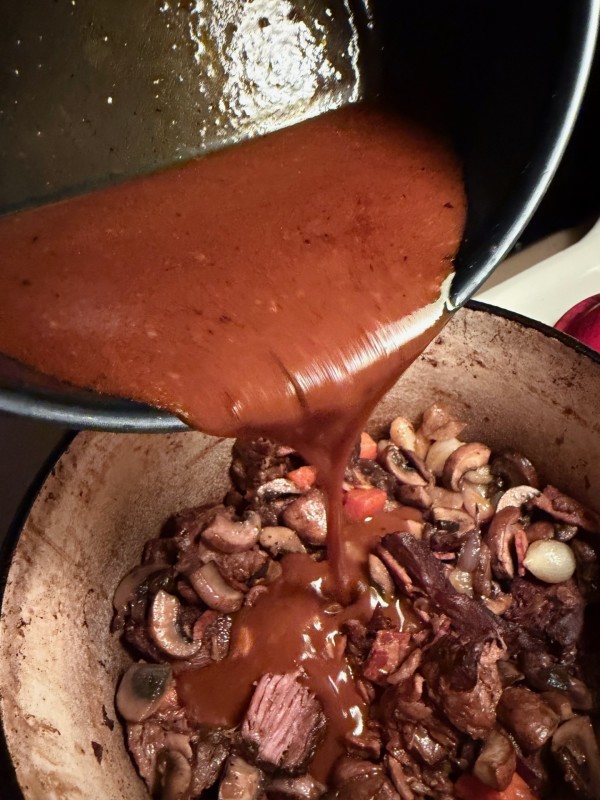
When ready to serve, cover and simmer the sauce, meat, and vegetables together for 2 to 3 minutes to blend the flavors. Present this masterpiece in its cooking pot or divide among bowls surrounded by potatoes or noodles. Garnish with fresh parsley.
My Honest Review of Julia Child's Beef Bourguignon
In an era of one-pot wonders and 30-minute meals, Julia’s original method can feel a bit daunting, but that’s kind of the point. This is a recipe that demands your full attention, and I wouldn’t recommend changing a single thing—it’s truly perfect as is.
While the multiple steps and separate pans might seem tedious, there’s a reason this dish remains the gold standard of French home cooking. If you go into the process knowing it requires a bit of culinary stamina, you’ll find that the labor is part of the reward. The final product isn’t just a meal, it’s a masterclass in flavor that makes every dirty dish in your sink feel like a badge of honor.
Up Next:

Post a Comment for "I mastered Julia Child's beef bourguignon and it was the most rewarding meal I've ever made"
Terima Kasih Telah Berkomentar dengan sopan!