Treasurer Revises Stalled Superannuation Tax Plan
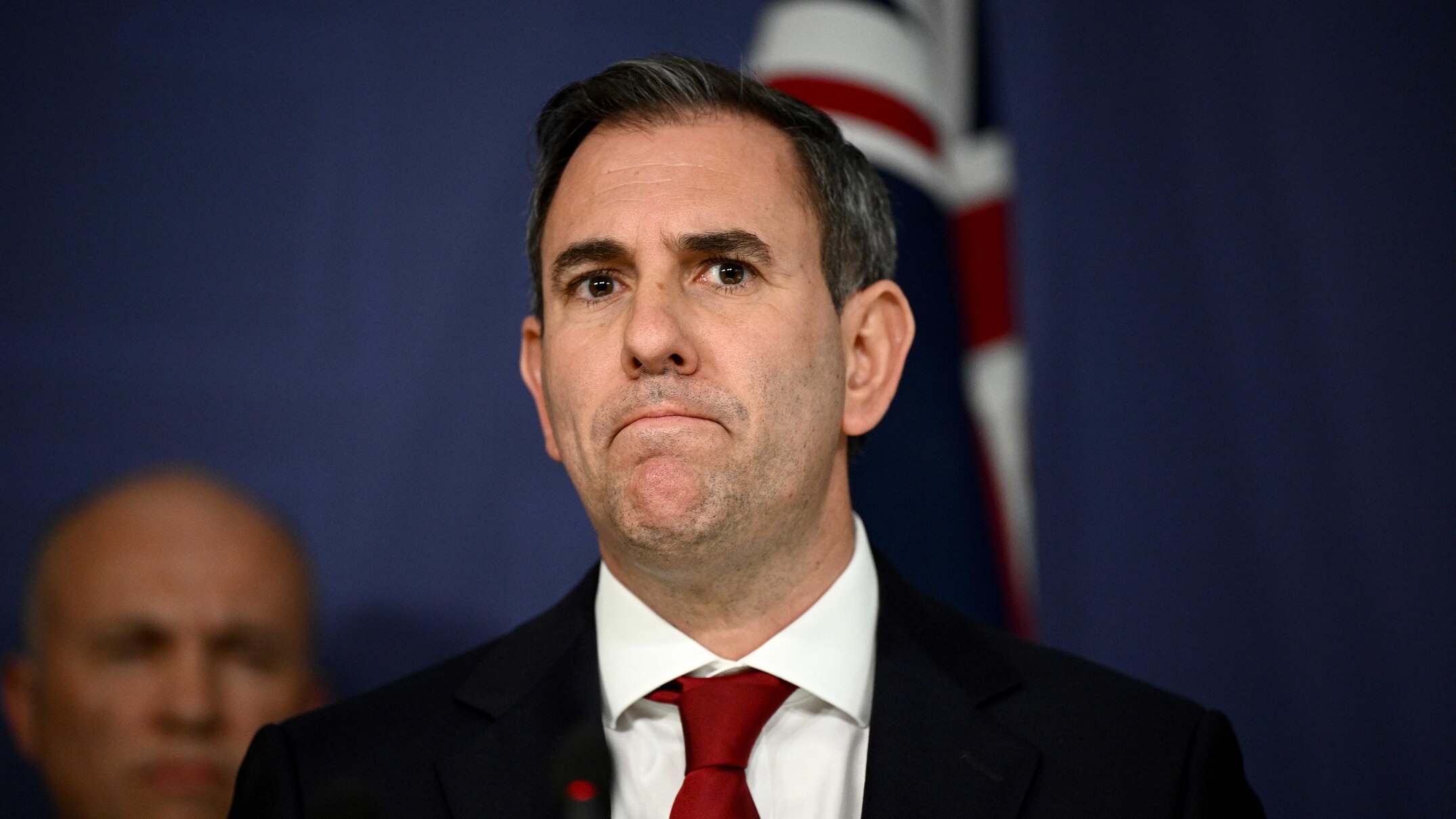
Government Revises Superannuation Tax Policy
The Australian government has made significant changes to its superannuation tax policy, a key revenue-raising measure that had faced considerable pressure from various stakeholders. This decision comes two years after the initial announcement of the policy, which aimed to increase taxes on the largest superannuation balances.
Treasurer Jim Chalmers confirmed that he and the Prime Minister have worked together to revise the proposal, which was approved by cabinet earlier this morning. The adjustments were made in response to criticisms of the original bill, particularly regarding the thresholds at which higher tax rates would apply.
Key Concessions in the Revised Proposal
One of the major changes is that the threshold for higher tax rates will now be indexed to inflation. This means that the thresholds will adjust over time, preventing more people from being affected due to bracket creep. Additionally, the proposal will no longer apply to unrealised capital gains, addressing another point of contention.
The revised plan introduces two main thresholds: a $3 million limit where the tax rate on earnings will be doubled, and a new $10 million threshold where a 40% tax rate will be applied. These thresholds are expected to affect approximately 90,000 balances at the $3 million level and about 8,000 balances at the $10 million level.
Chalmers emphasized that the government is committed to reworking the bill to ensure its passage through parliament. He noted that indexation was always part of their strategy to navigate potential challenges.
Additional Measures and Impact
In addition to the revised tax thresholds, the government has also increased the tax offset for low-income earners. This offset will now be raised from $310 to $810, benefiting workers earning up to $45,000. According to Chalmers, this change could provide these individuals with an average of an extra $15,000 at retirement.
While the new plan is expected to raise slightly less than the original proposal in the short term, the government anticipates that the long-term revenue will be significantly lower due to the indexing adjustments. The government has maintained that the thresholds could have been adjusted over time to account for inflation, but the current revisions aim to address immediate concerns.
Political Considerations and Future Steps
Chalmers confirmed that he met with Greens leader Larissa Waters shortly after the revised proposal was agreed upon by cabinet. The Greens are seen as a crucial ally for the bill's passage, given the political landscape.
The proposed tax increase on some of the nation's wealthiest income earners was first announced over two years ago and was intended to take effect from July. However, it faced criticism, including from within the Labor Party, and was never introduced to parliament.
Recent developments indicate that the Prime Minister's office, along with the Treasurer's, sought advice from the Treasury Department on addressing concerns related to the bill. Chalmers downplayed questions about the government's appetite for reform, highlighting the difficulty of implementing such a significant policy change.
"This is difficult tax reform," Chalmers said. "I don't accept the characterisation that this is simple, or easy or uncontested. This is a difficult change which will mean we raise billions of dollars."
The revised policy is set to begin from July next year, marking a pivotal moment in Australia's approach to superannuation taxation.

Post a Comment for "Treasurer Revises Stalled Superannuation Tax Plan"
Terima Kasih Telah Berkomentar dengan sopan!