Storm's hidden champions who overcame the odds
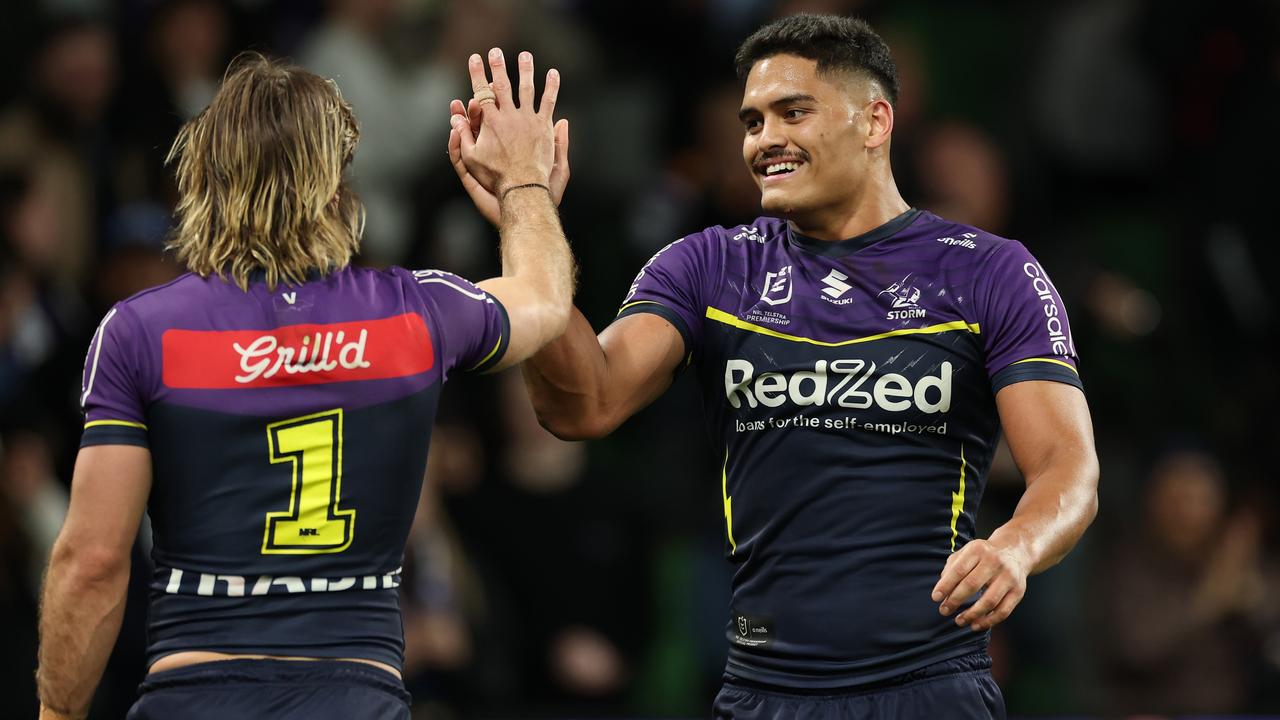
Storm’s Comeback Story: A Season of Resilience and Recovery
The Melbourne Storm has faced an extraordinary number of challenges this season, with their star players enduring a series of injuries that kept them off the field for much of the year. Despite these setbacks, the team is now fully fit and ready to take on the Brisbane Broncos in the grand final. This remarkable turnaround highlights the importance of availability in rugby league, something that coaches often struggle to control.
A Challenging Season for Key Players
Several key members of the Storm's spine have had to deal with serious injuries throughout the season. Captain Harry Grant suffered a hamstring injury early on, while Ryan Papenhuyzen missed a month due to a calf issue. Jack Howarth endured multiple injuries, including appendicitis, a dislocated shoulder, and a groin problem. Shawn Blore sustained a fractured larynx, and Jahrome Hughes faced a major setback after dislocating his shoulder and later fracturing his forearm in his first game back.
Hughes’ injury was particularly concerning, as it seemed to rule him out for the rest of the season. However, through hard work and dedication, he managed to return for the preliminary final, where he showcased incredible determination by fending off three defenders with his injured arm to score a crucial try.
The Role of Medical Staff in Player Recovery
The Storm’s medical team has played a vital role in helping players return to the field. Head physio Liam Robinson has received praise from the players for his efforts in getting them back on the park ahead of schedule. Papenhuyzen highlighted the dedication of the medical staff, noting that they often work on their days off to ensure players are ready for action.
“It makes us want to break our arm and get metal rods put in our arms,” Papenhuyzen joked. “It was a massive achievement. Ever since he did it, he was without a doubt wanting to play. It was just the medical staff he had to get past.”
Getting players back on the field is a delicate balance between their long-term health and the need to win games. The Storm has managed to strike this balance effectively, with players like Eli Katoa showing incredible resilience. Katoa dislocated his finger during a captain’s run, had surgery that night, and was back on the field the next day.
Supporting Players Through Injury and Recovery
For players like Blore, the road to recovery was not straightforward. After being hospitalized with a fractured larynx, he believed his season was over. However, a strict diet plan created by the club’s dietitian, Georgia Walker, gave him hope of returning for the finals.
“I can’t thank the medical staff enough. I thought my season was done but they said there was a slight chance I’d be back, and that was all I needed to hear,” Blore said. “I couldn’t swallow any solid food for the first week, so I’ve got to thank our dietitian, Georgia, because she got me on a diet of smoothies and soups that helped me so much.”
Hughes also made a remarkable recovery, returning just 22 days after suffering his second major injury. “I thought so (that my season was over) after the Broncos game. I thought I was no chance to play again, but I got surgery the day after,” he said after the win over the Sharks. “The surgeon and the medical staff said I was a chance to play again, and once I heard that, I did everything I could (to get back).”
Mental Health Support for Players
Injuries can take a toll not only on the body but also on the mind. For young players like Howarth, the mental strain of repeated injuries can be overwhelming. Fortunately, the Storm has a dedicated support system in place to help players cope with these challenges.
“We have a really good mental support crew here at the club,” Howarth said. “It can get a bit draining when you’re not playing and you’re just doing conditioning and rehab and you have to watch the boys train. I found that the hardest part not being involved because the team has to prep each week, so you’re not always going to be the priority when it comes to getting ready for a game.”
Howarth added that he learned to accept his role during his recovery period and was grateful for the opportunity to return to first-grade rugby. “When I got back, I was really grateful for being in the position I’m in playing first grade. We have a lot of people who support us whenever we’re having a tough time or just need someone to speak to.”

Post a Comment for "Storm's hidden champions who overcame the odds"
Terima Kasih Telah Berkomentar dengan sopan!