Joy and relief as challenges loom for Gaza
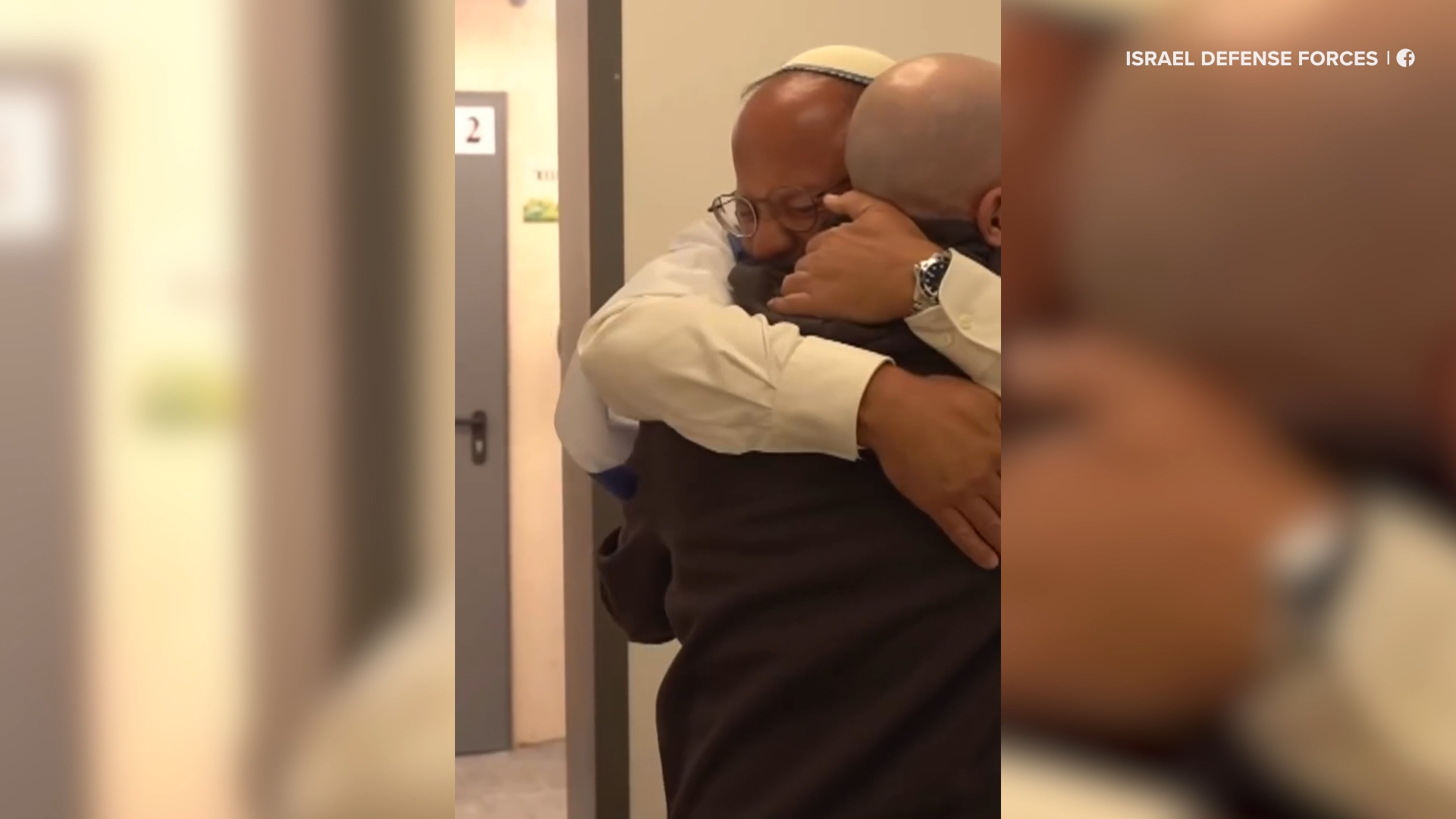
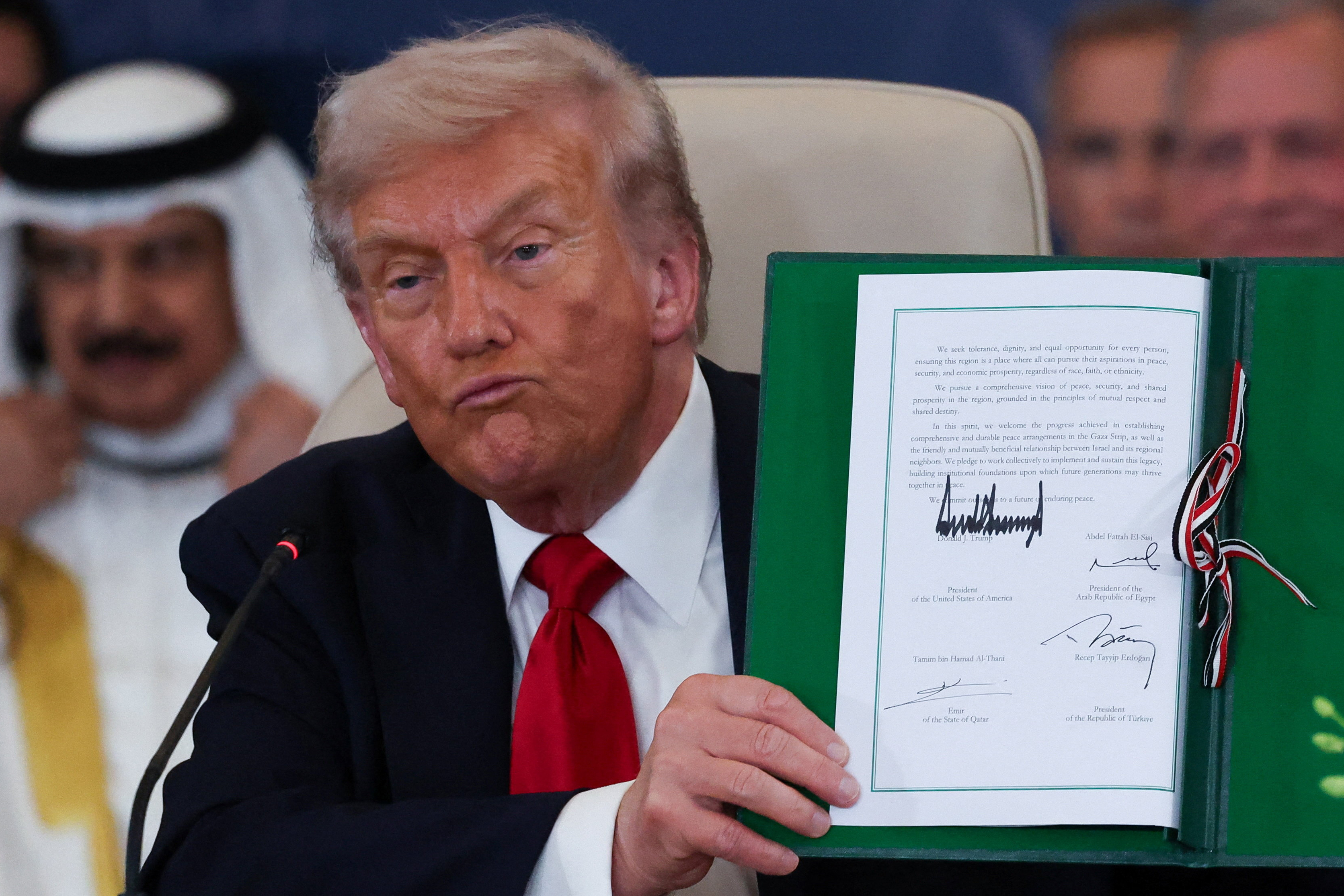
The release of hostages has brought a wave of relief and celebration in Israel, as Palestinians have also welcomed the return of nearly 2000 prisoners. US President Donald Trump played a prominent role in this moment, which was initially intended to be a peace summit but often felt more like a victory parade. Despite the undeniable diplomatic success that led to the second ceasefire of the two-year Israeli invasion of Gaza and the conflict with Hamas, many questions will remain once the initial celebrations subside.
This moment, although significant and emotionally powerful, is merely the beginning of phase one of a broader peace plan facilitated by mediators such as the US, Egypt, and Qatar.
What has occurred so far?
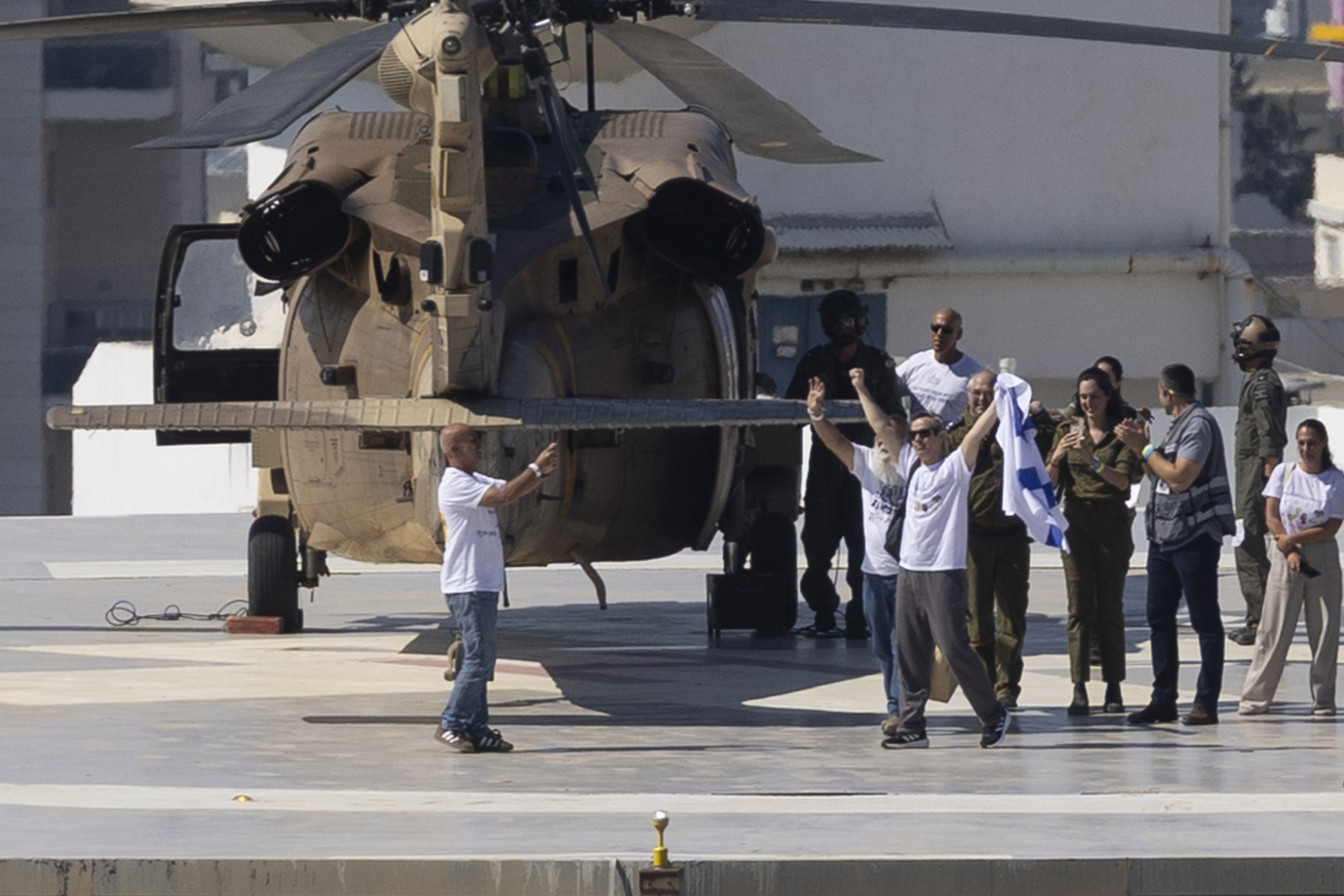
Yesterday, Hamas released the final 20 surviving hostages from the 250 they captured during their attack on Israel on October 7, 2023. This event triggered scenes of joy in Israel, not only for the families and loved ones who were reunited with those who had spent over two years under the threat of death.
The remains of another four hostages were handed over to the IDF by Hamas fighters and have since been returned to Israel for identification. Another 24 deceased hostages are expected to be returned within 72 hours of the ceasefire's start, but both Israel and Hamas have indicated that this may be challenging given the extensive destruction in Gaza.
Meanwhile, Israeli forces have withdrawn from approximately 70% of the occupied territory, and there has been an increase in aid being allowed into the region.
So, is the war over?
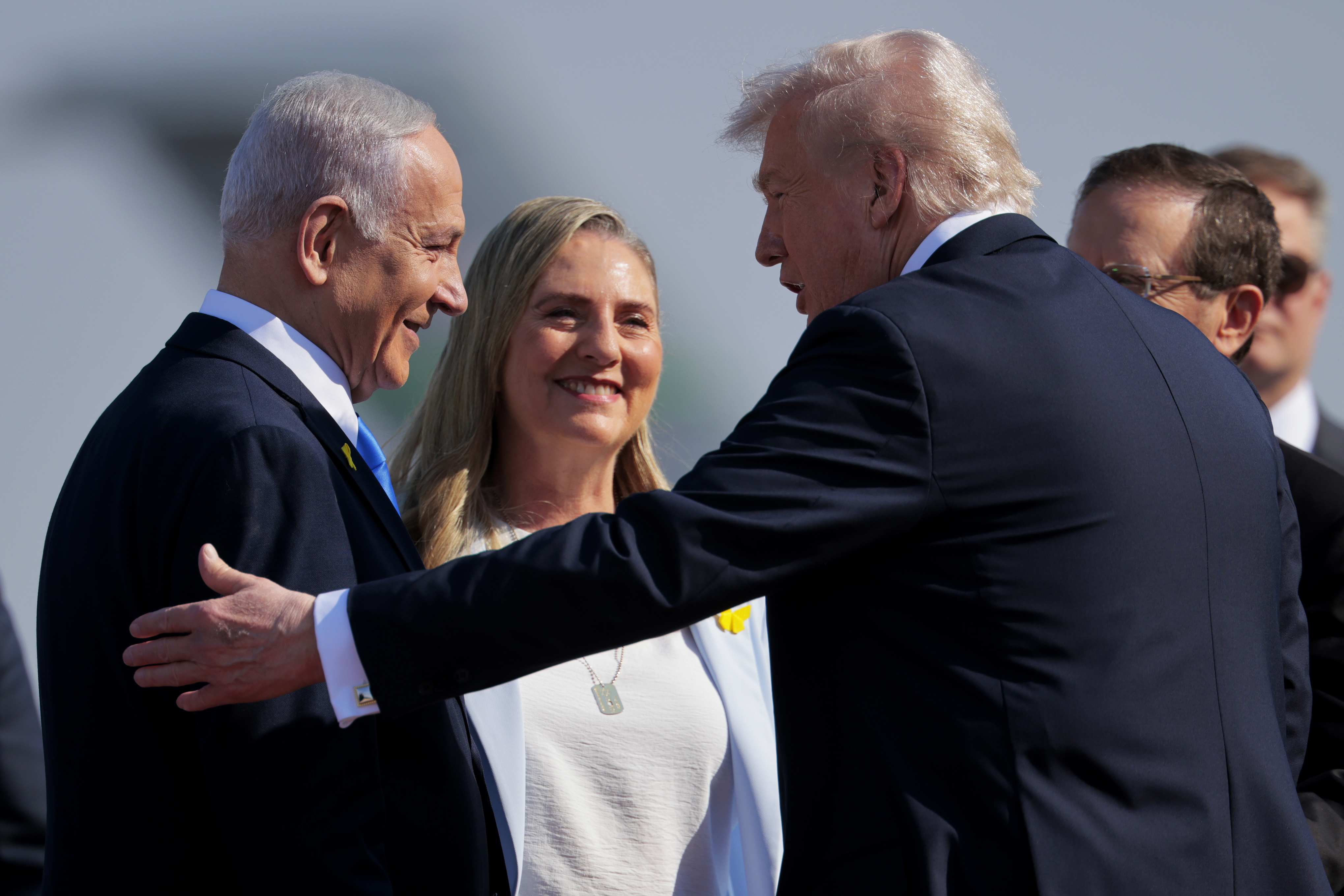
Trump has been clear in his stance, repeatedly stating, including to the Israeli Knesset, that the war is over. However, other key players are less certain.
Israeli Prime Minister Benjamin Netanyahu, the day before Trump arrived, made it clear that the military campaign "wasn't over" amid ongoing threats to Israel's security.
He faces pressure from far-right members of his coalition government to continue targeting Hamas in Gaza, although he has also stated his commitment to the peace process.
Hamas has refused to disarm while Israeli troops remain in Gaza, though they have also shown acceptance of the peace agreement, which excludes any future involvement by Hamas in the region's management.
What could reignite the conflict?
If Hamas is perceived as using the ceasefire to regroup and rebuild its strength or reassert control over Palestinians, Netanyahu's government could claim it is violating the agreement's terms.
Similarly, if Israel refuses to withdraw to the agreed-upon areas or restricts the flow of aid into Gaza, Hamas could make the same argument.
It will then depend on how effectively the mediators can maintain influence to prevent a resurgence of violence.
In Israel, there has already been some backlash over just four of the deceased hostages being returned so far, with claims that this is in violation of the agreed terms.
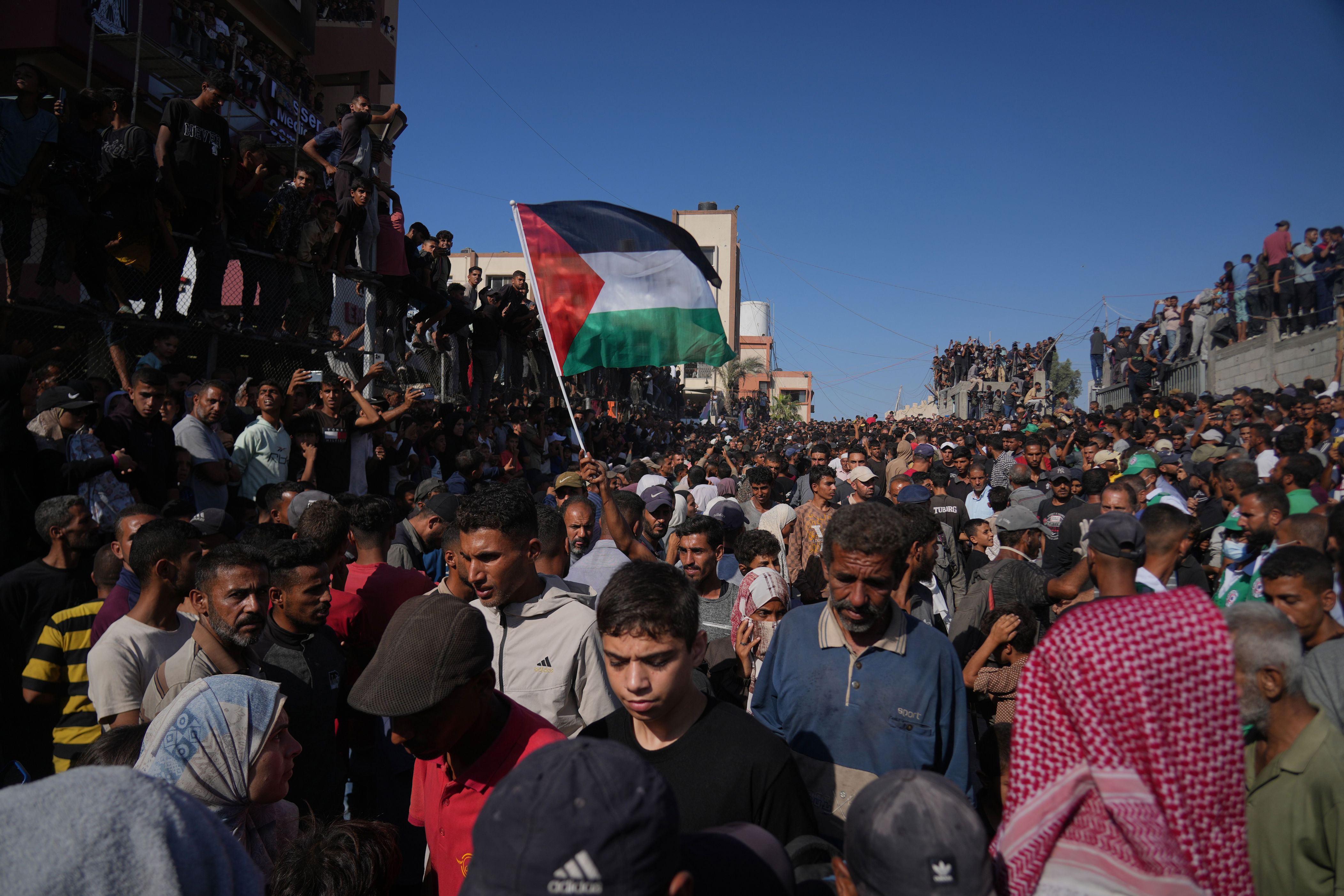
What is the plan for rebuilding Gaza?
The future governance of Gaza remains uncertain. According to the US plan, an international body will oversee the territory, with Palestinian technocrats managing daily affairs. This body will be led by Trump and former UK Prime Minister Tony Blair.
Hamas has stated that Gaza's government should be determined among Palestinians. The plan envisions a potential role for Mahmoud Abbas' Palestinian Authority, something Netanyahu has long opposed, but it requires the authority to undergo reforms.
The plan includes an Arab-led international security force in Gaza, along with Palestinian police. Israeli forces would leave areas as these forces deploy. Approximately 200 US troops are currently in Israel to monitor the ceasefire.
The plan also mentions the possibility of a future Palestinian state, another idea that Netanyahu has consistently opposed.


Post a Comment for "Joy and relief as challenges loom for Gaza"
Terima Kasih Telah Berkomentar dengan sopan!