Bungalows for the Elderly: Builders Overlook Needs of Older Australians
The Struggle of Finding the Perfect Home
House hunting can be an exciting and rewarding experience, but for many, it's more like a stressful journey through a maze. After accepting an offer on a modest three-bedroom semi-detached home, the process has turned into a challenging task rather than a fun endeavor. The difficulty lies in finding the right second-step family home without making a significant financial mistake, especially when considering the potential stamp duty bill.
It feels like being in the story of Goldilocks, where most properties are either too hot or too cold. Many homes are the right size but come with a price tag that exceeds the budget. Others are far too expensive for their size, leaving buyers in a difficult position. The challenge is to find the perfect balance—property that is just right in terms of size, price, and location.
The current market presents several obstacles. One of the main issues is the uncertainty surrounding the policies that the Labour party may implement in the upcoming Budget. This speculation has led to hesitation among homeowners, who feel less confident about moving at this time. A recent survey by the HomeOwners Alliance revealed that 25% of those tempted to move in the past two years have decided not to due to high stamp duty costs, while nearly 30% cited high moving costs as a deterrent.
Another contributing factor is the reluctance of older generations to move from their larger family homes. Many over-55s are hesitant to relocate because there is a lack of suitable housing options available. According to the same survey, 34% of over-55s say the lack of suitable properties has prevented them from moving. This issue is significantly higher than the general homeowner population and ranks as the second biggest barrier for this age group, only behind the stress and upheaval of moving.
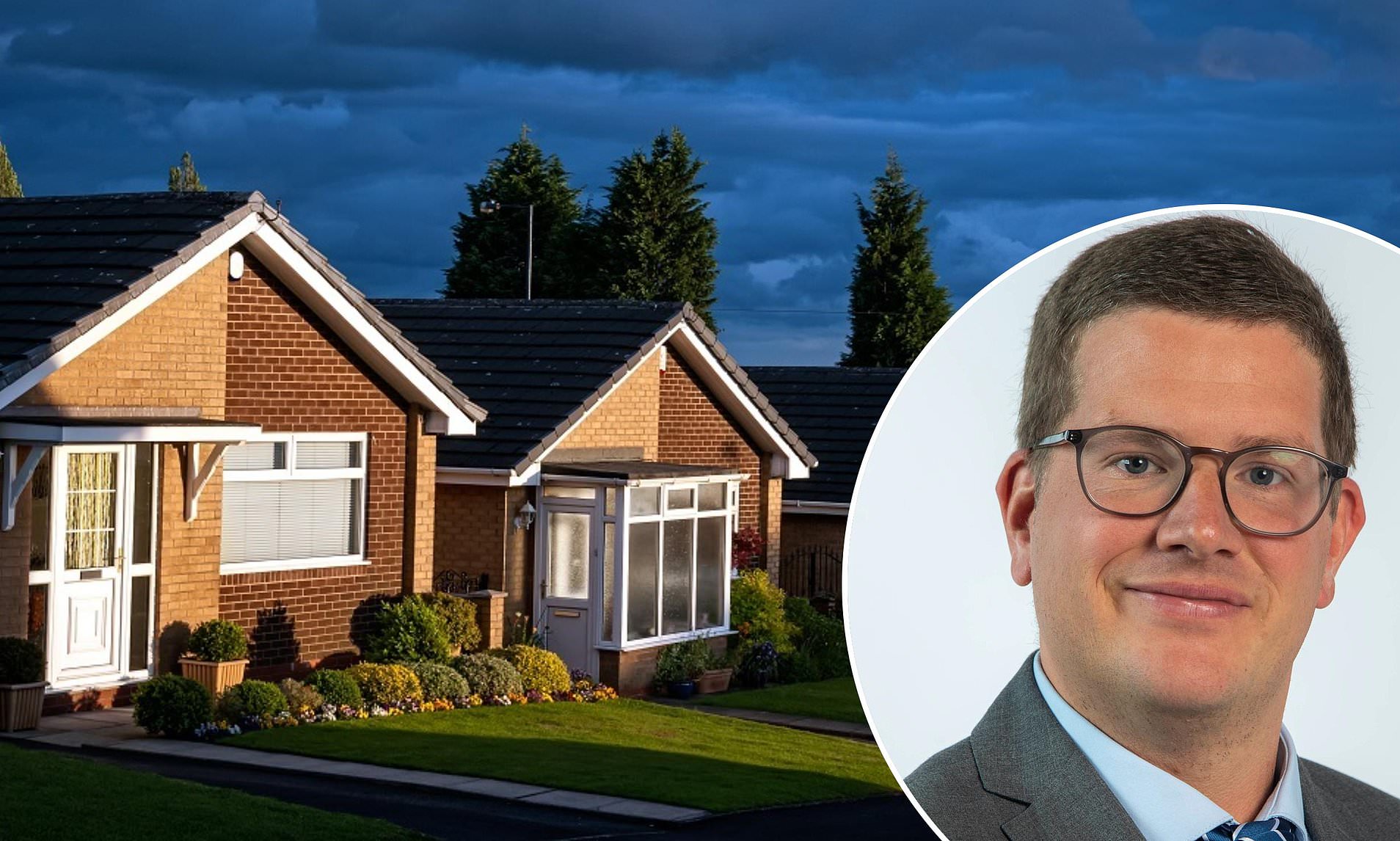
Bungalows are often considered ideal for downsizers who seek manageable living spaces and the convenience of not having to deal with stairs as they age. However, the number of bungalows being built has drastically decreased. A few years ago, I examined the data and found that very few bungalows are being constructed. When looking at developments near me or those planned, it's rare to see smaller homes designed for downsizers. Most new builds consist of three, four, or five-bedroom houses, which are not appealing to those seeking a more compact living space.
My mother, who is 72, lives in a small one-bedroom house that suits her perfectly. She was fortunate when she downsized eight years ago, but the availability of one-bedroom houses (not flats) is minimal. With an aging population, there is a clear need for smaller, manageable bungalows or one-bedroom houses to accommodate the growing demand. These homes should be of good quality and integrated into new build estates so that residents feel part of the community.
A clever designer could potentially fit three or four small homes for older people into the space typically occupied by a four-bedroom detached house. This approach would not only meet the needs of the aging population but also help the government achieve its ambitious goal of building 1.5 million homes by 2030. Instead of counting one large home, four smaller ones could contribute to the statistics.
According to National House Building Council data, bungalows made up 11% of new homes in 1990, but this figure dropped to just 1% last year. The market share of bungalows has been below 2% since 2010. The problem is exacerbated by younger buyers who purchase bungalows and add a second storey. On a road near me, there are roughly 50 bungalows, and I recently counted that five of them are currently being modified with an additional floor, while half already have been converted into two-storey homes.
In response to this issue, the HomeOwners Alliance has launched a campaign called "Bring Back The Bungalow." While it might sound like a nostalgic call to action, the campaign highlights the significant impact of the bungalow shortage. It claims that 1.2 million over-55s have abandoned their moving plans, which equates to one in seven homeowners in this age group who wanted to move but ultimately felt unable to.
The shortage of bungalows is a major concern, with 38% of homeowners aged 55+ expressing a preference for a bungalow for their next move. This makes bungalows the most popular choice among this demographic.
While I am confident that we will eventually find a suitable home, the process is proving to be a test of patience. For many considering a final move into something more manageable, the hassle and difficulty of finding the right property might lead them to delay the decision. I understand this hesitation and recognize the challenges faced by those trying to navigate the current market.

Post a Comment for "Bungalows for the Elderly: Builders Overlook Needs of Older Australians"
Terima Kasih Telah Berkomentar dengan sopan!